

Tragic Weekend: 3 Moose Hit on Hwy 60

Stay Alert! - Moose Collisions in Algonquin Park
This morning, we witnessed two dead moose and a heavily damaged vehicle that skidded into the forest after a collision on Hwy 60. It's heartbreaking and a vivid reminder of the dangers wildlife face and the risks to drivers.
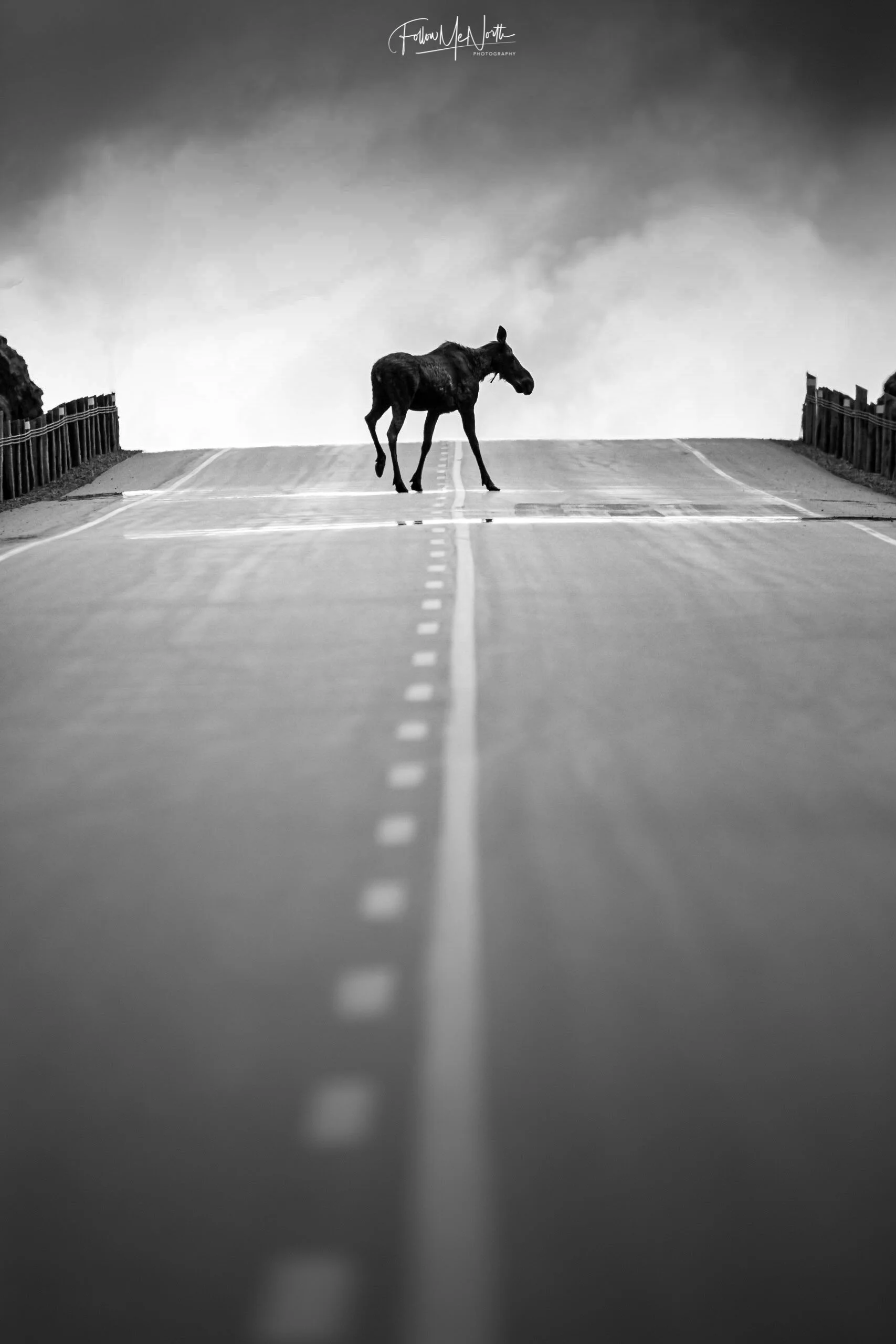
In just this past weekend, there have been three reported moose collisions in the park. As the warmer months approach, moose are more likely to cross roads, often with young calves by their side. While some collisions are inevitable, it's vital that we all take steps to minimize the risk and prevent these tragic accidents.
𝗪𝗵𝘆 𝗮𝗿𝗲 𝗠𝗼𝗼𝘀𝗲 𝗛𝗮𝗿𝗱 𝘁𝗼 𝗦𝗲𝗲?
Moose are difficult to see at night because their dark fur blends into the surroundings. Additionally, they are so tall that their eyes are often above the reach of most car headlights, so their eyes may not reflect the headlights like many other animals do. Moose are also more active at dusk and dawn, when visibility is lower.

𝗧𝗶𝗽𝘀 𝗳𝗼𝗿 𝗦𝗮𝗳𝗲 𝗗𝗿𝗶𝘃𝗶𝗻𝗴
𝗦𝗹𝗼𝘄 𝗗𝗼𝘄𝗻: Keep your speed down, especially in areas marked for wildlife crossings, which includes all of Algonquin Park.
𝗦𝘁𝗮𝘆 𝗔𝗹𝗲𝗿𝘁: Continuously scan the sides of the road for any signs of wildlife. It's common for us to drive in a state of auto pilot without paying attention to our surroundings. Be alert and play the “what if” game while driving through the park. “What if there’s a moose standing on the road over this hill?” “What if there’s a moose and a calf crossing around this corner?” Animals are active 24 hours a day. Being aware at all times will help your chances of avoiding an unfortunate wildlife collision.
𝗔𝘀𝗸 𝗳𝗼𝗿 𝗛𝗲𝗹𝗽: Ask others in your vehicle to scan the roadsides too. Encourage everyone to put down their electronic devices and enjoy the drive together. It’s exciting to come across a moose while driving as long as you have time to slow down and enjoy the moment.
𝗨𝘀𝗲 𝗛𝗶𝗴𝗵 𝗕𝗲𝗮𝗺𝘀 𝗪𝗶𝘀𝗲𝗹𝘆: When driving at night, use high beams where possible to spot animals from a distance, but remember to dim them for oncoming traffic.
𝗕𝗲 𝗘𝘅𝘁𝗿𝗮 𝗖𝗮𝘂𝘁𝗶𝗼𝘂𝘀 𝗮𝘁 𝗗𝘂𝘀𝗸 𝗮𝗻𝗱 𝗗𝗮𝘄𝗻: These are the times when animals are most active. The low light conditions can make it difficult to see moose until they are right in front of your vehicle. Slow down and stay especially vigilant during these times to give yourself more time to react if an animal suddenly appears on the road.
𝗗𝗶𝗱 𝘆𝗼𝘂 𝗸𝗻𝗼𝘄? Each year, numerous moose are killed in vehicle collisions in Ontario, with many incidents occurring in Algonquin Park. It's a reminder that our actions can make a difference in protecting these magnificent creatures and ensuring our own safety.
Additionally: I believe it’s worth noting that this post doesn’t suggest that speed caused these accidents. My intention is to highlight that speed can be a common factor in wildlife collisions. Many of us have witnessed firsthand the impatience of certain drivers within the park boundaries. Without speculating on specific incidents, it’s simply good practice to share these tips and always be on alert. Our collective goal should be to promote safety for both drivers and wildlife.
Let's work together to make our roads safer for both wildlife and drivers. If you're traveling through Algonquin Park, please drive responsibly and share this message to help raise awareness.
Stay safe and enjoy the beauty of Algonquin Park responsibly!
Jesse & Susan - www.instagram.com/followmenorth
*** 𝗔𝗖𝗖𝗜𝗗𝗘𝗡𝗧 𝗨𝗣𝗗𝗔𝗧𝗘 𝗳𝗿𝗼𝗺 𝘁𝗵𝗲 𝗢𝗻𝘁𝗮𝗿𝗶𝗼 𝗣𝗿𝗼𝘃𝗶𝗻𝗰𝗶𝗮𝗹 𝗣𝗼𝗹𝗶𝗰𝗲 - 𝗞𝗶𝗹𝗹𝗮𝗹𝗼𝗲 𝗢𝗣𝗣. 𝗣𝗹𝗲𝗮𝘀𝗲 𝗥𝗲𝗮𝗱 ***
I share this message with deep respect and sensitivity towards the drivers and families affected by these accidents.